Side Notes & Fragments

Role

Designer

Role

Designer

Role

Designer

COMPANY

Chase

COMPANY

Chase

COMPANY

Chase

Area

UX/UI Design, Mobile, Web

Area

UX/UI Design, Mobile, Web

Area

UX/UI Design, Mobile, Web

A collection of UX and UI work pulled from the margins of my careershort runs, experiments, and side notes from projects across mobile, including native iOS, Android, and mobile web. These didnt make the front page but still shaped my approach. The storys in the edges, and these pieces fill in the gaps.

Wells Fargo

Wells Fargo

Wells Fargo

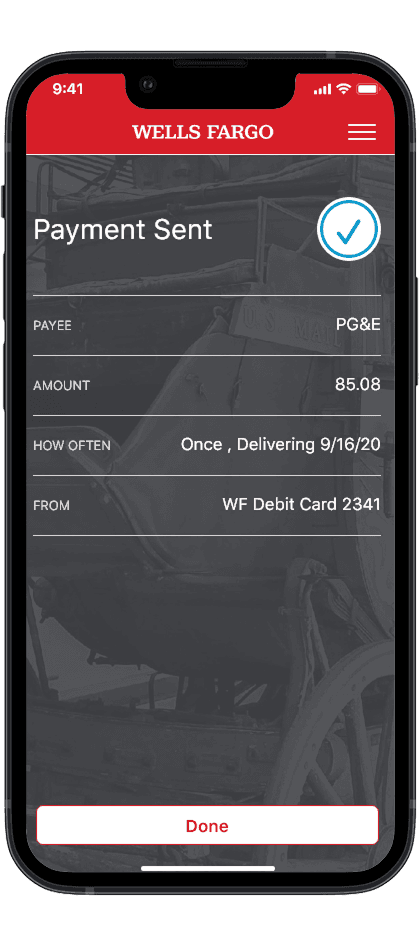
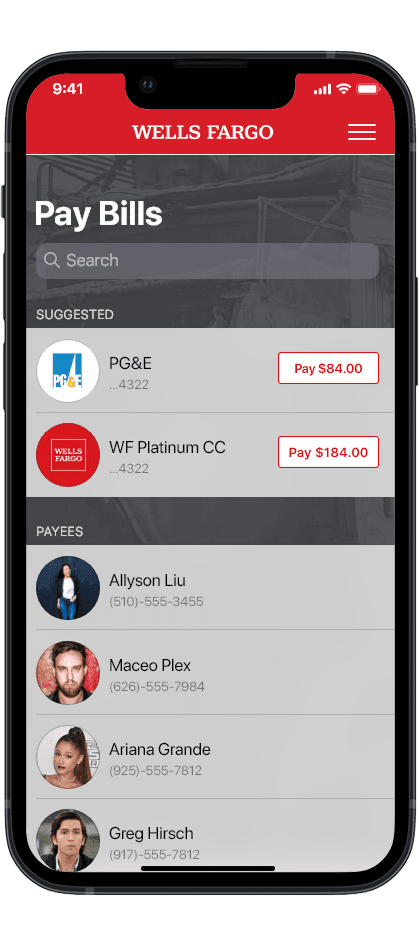
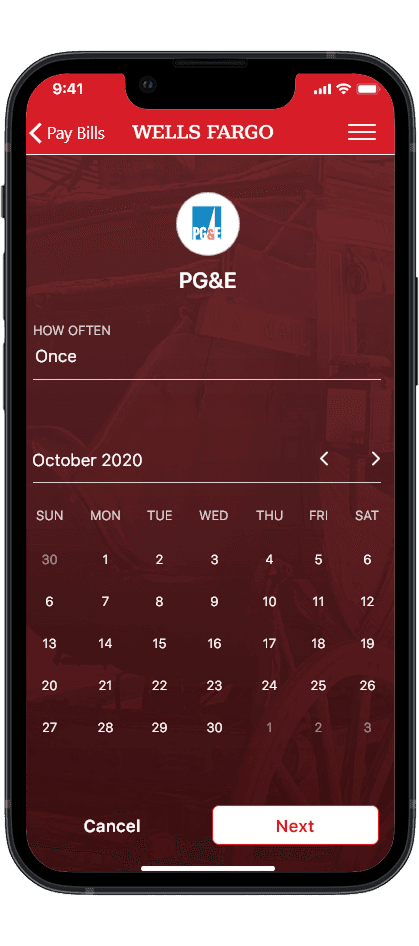
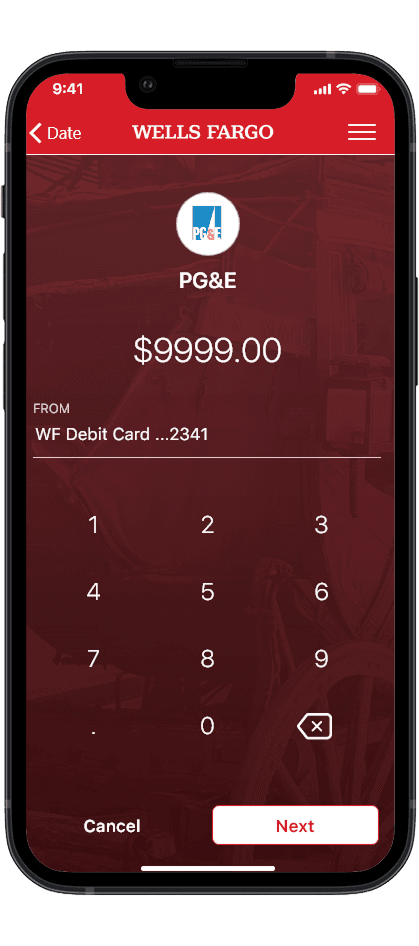
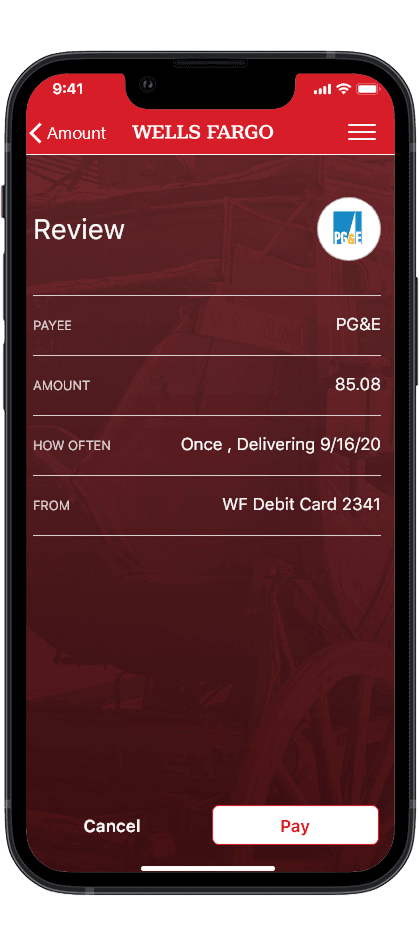
As part of a branding initiative at Wells Fargo, I explored a conceptual redesign of the Bill Pay experience—rethinking how it could align with the company’s new visual direction. While the project wasn’t intended for launch, it served as a design exercise to imagine a cleaner, more modern approach to a core banking task and demonstrate how updated branding could translate into product UI.
As part of a branding initiative at Wells Fargo, I explored a conceptual redesign of the Bill Pay experience—rethinking how it could align with the company’s new visual direction. While the project wasn’t intended for launch, it served as a design exercise to imagine a cleaner, more modern approach to a core banking task and demonstrate how updated branding could translate into product UI.
As part of a branding initiative at Wells Fargo, I explored a conceptual redesign of the Bill Pay experience—rethinking how it could align with the company’s new visual direction. While the project wasn’t intended for launch, it served as a design exercise to imagine a cleaner, more modern approach to a core banking task and demonstrate how updated branding could translate into product UI.
Tagged (ifwe)

Tagged (ifwe)

Tagged (ifwe)

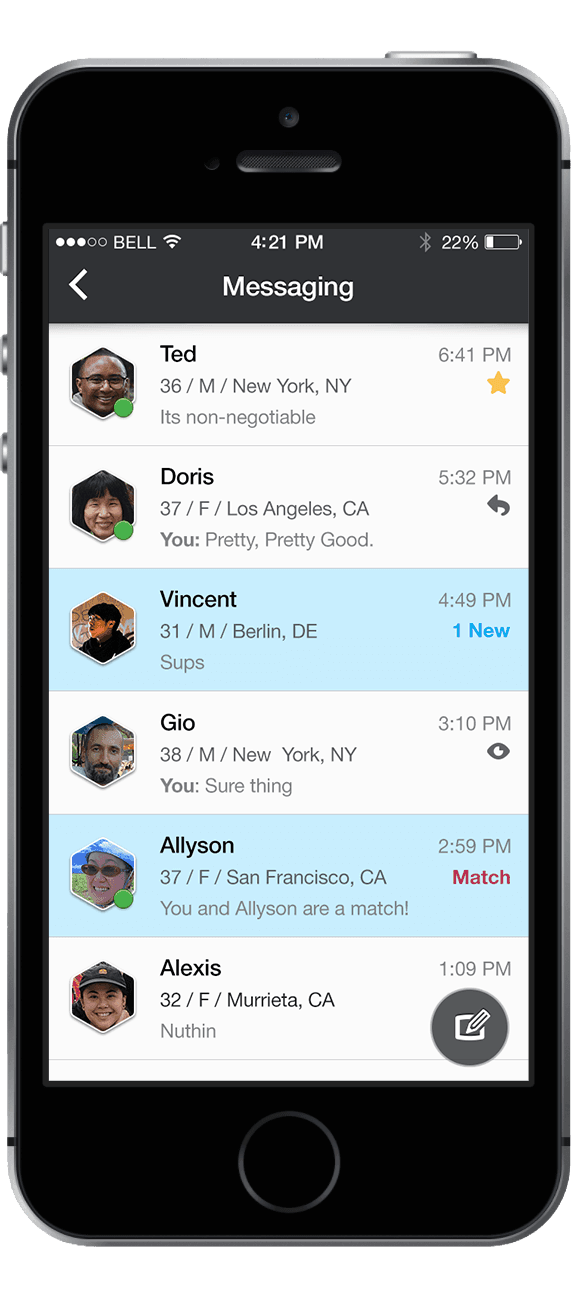
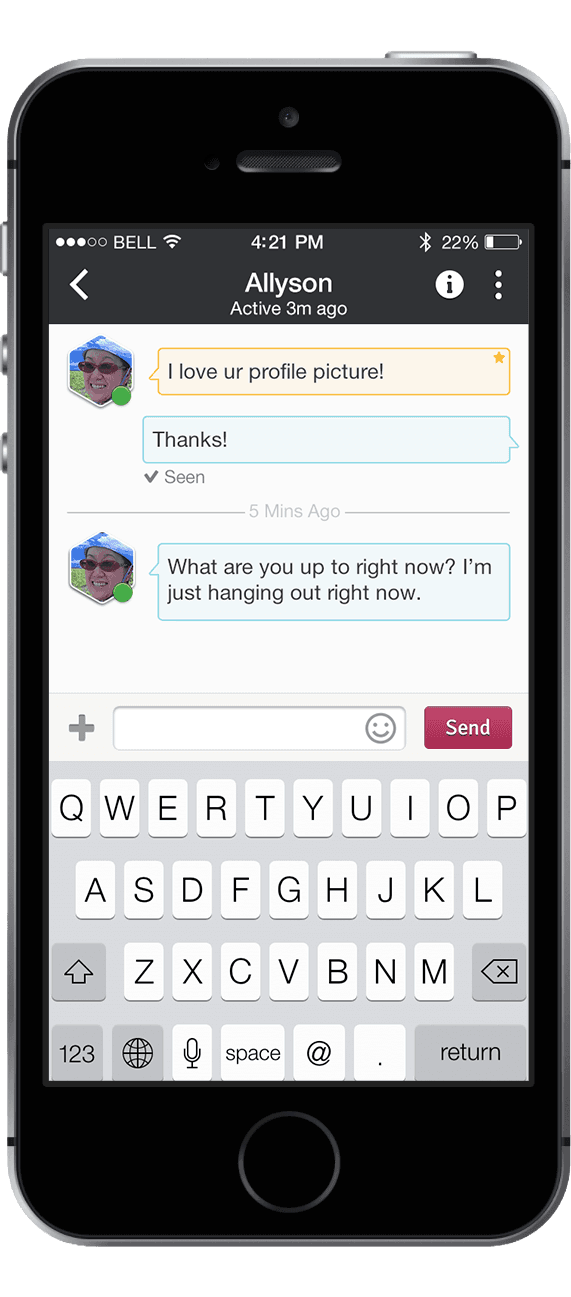
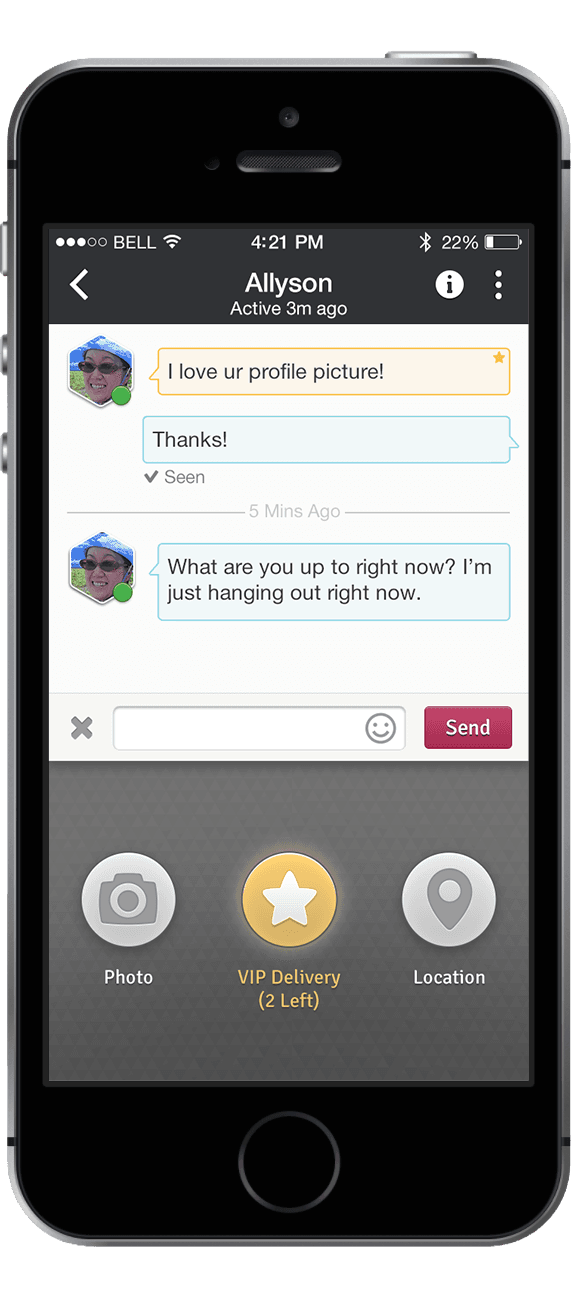
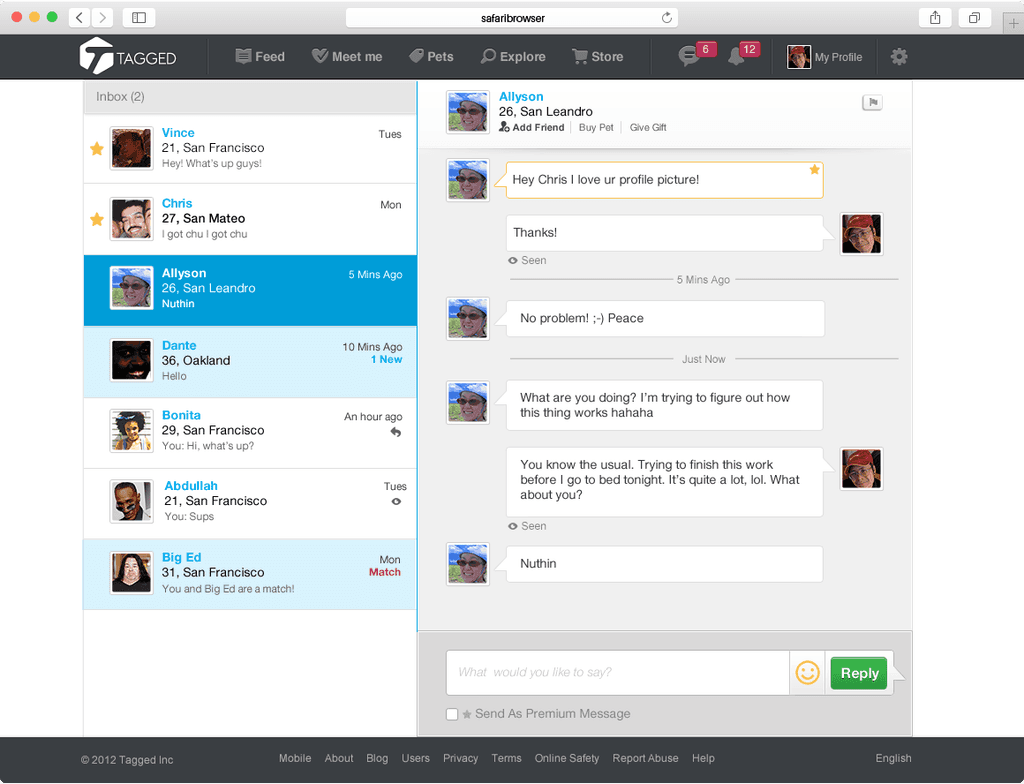
At Tagged (later rebranded as ifwe), I worked on the design of a new messaging experience intended for both desktop and native iOS. Although the product ultimately wasn’t released, the work explored cleaner, more modern interaction patterns for social communication on the platform.

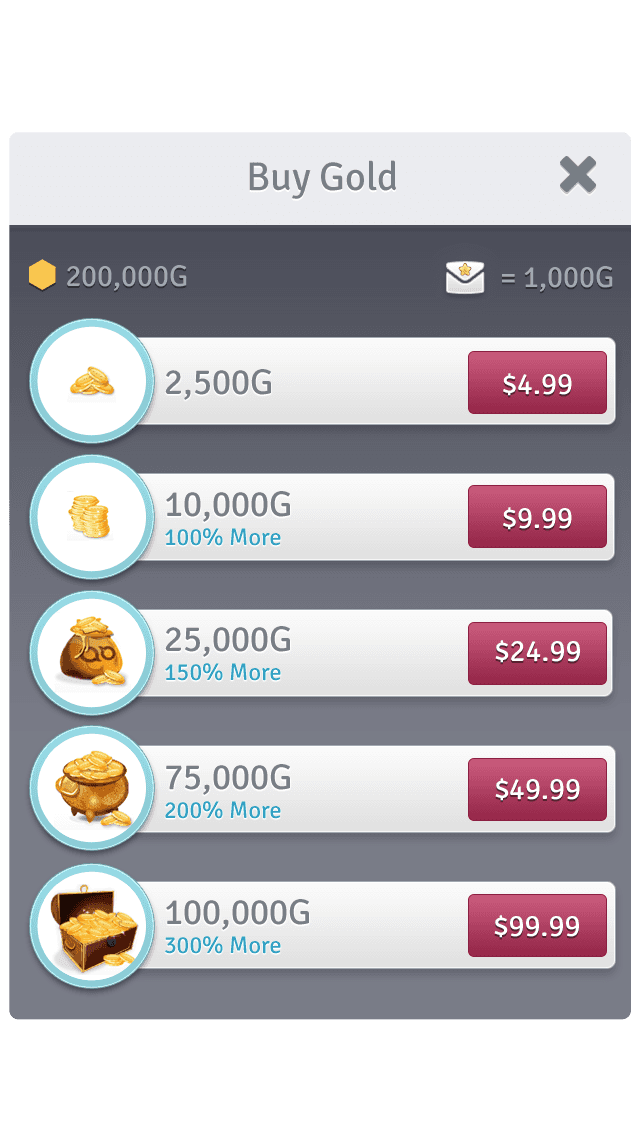
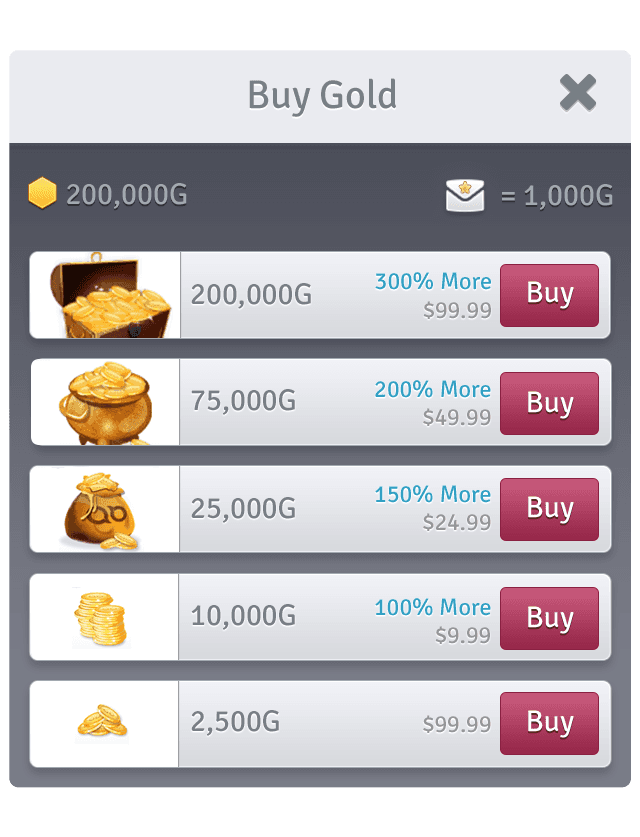
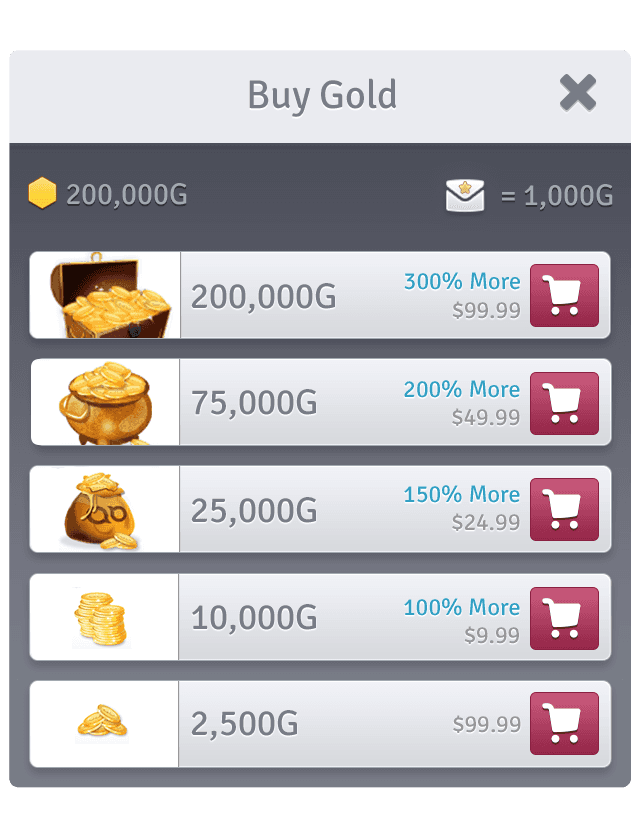
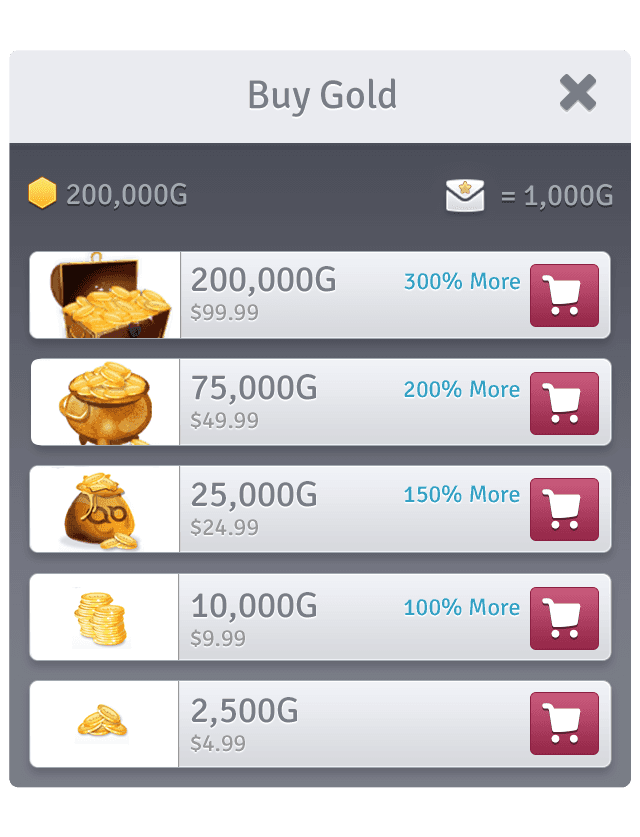
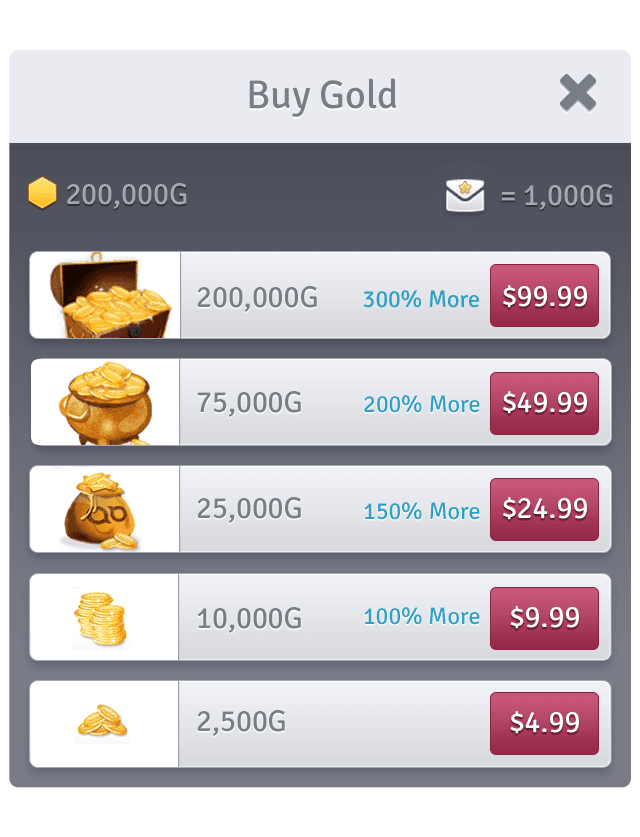
I also contributed to visual design explorations for Tagged’s virtual currency, Gold—reimagining how users could purchase and spend it across the app. These projects offered opportunities to push the brand’s visual direction while aligning with monetization goals.

At Tagged (later rebranded as ifwe), I worked on the design of a new messaging experience intended for both desktop and native iOS. Although the product ultimately wasn’t released, the work explored cleaner, more modern interaction patterns for social communication on the platform.

I also contributed to visual design explorations for Tagged’s virtual currency, Gold—reimagining how users could purchase and spend it across the app. These projects offered opportunities to push the brand’s visual direction while aligning with monetization goals.

At Tagged (later rebranded as ifwe), I worked on the design of a new messaging experience intended for both desktop and native iOS. Although the product ultimately wasn’t released, the work explored cleaner, more modern interaction patterns for social communication on the platform.

I also contributed to visual design explorations for Tagged’s virtual currency, Gold—reimagining how users could purchase and spend it across the app. These projects offered opportunities to push the brand’s visual direction while aligning with monetization goals.

Original Landing Page
Tagged Messaging (Mobile)
Tagged Messaging (Desktop)
Buy Gold

Chase

Chase

Chase

While at Chase, I worked on SoftCard, a mobile payment app that was part of a joint venture between major U.S. carriers and banks, including Chase. The platform was built around NFC chips embedded in smartphones, allowing users to store their payment cards and make tap-to-pay transactions directly from their devices—early groundwork for what we now know as Google Pay.

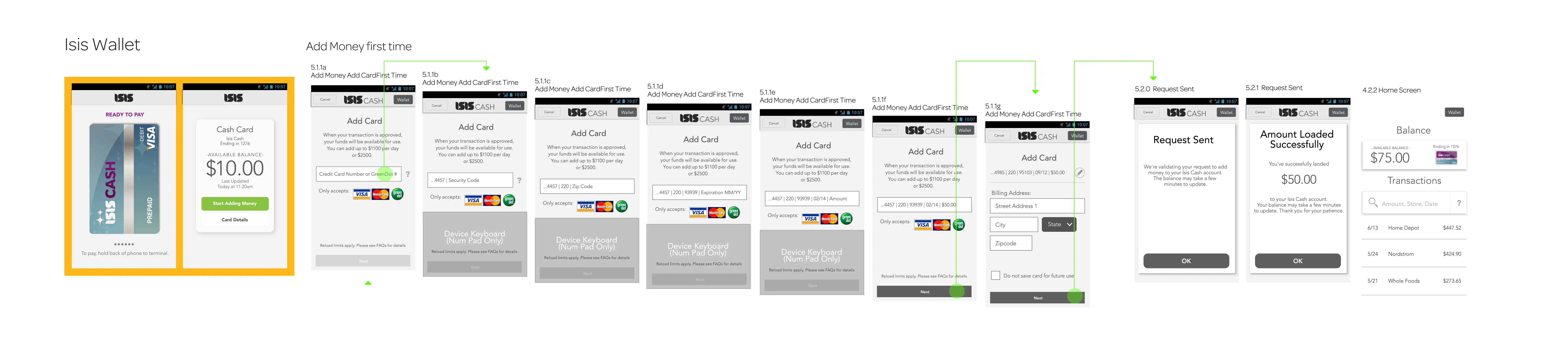
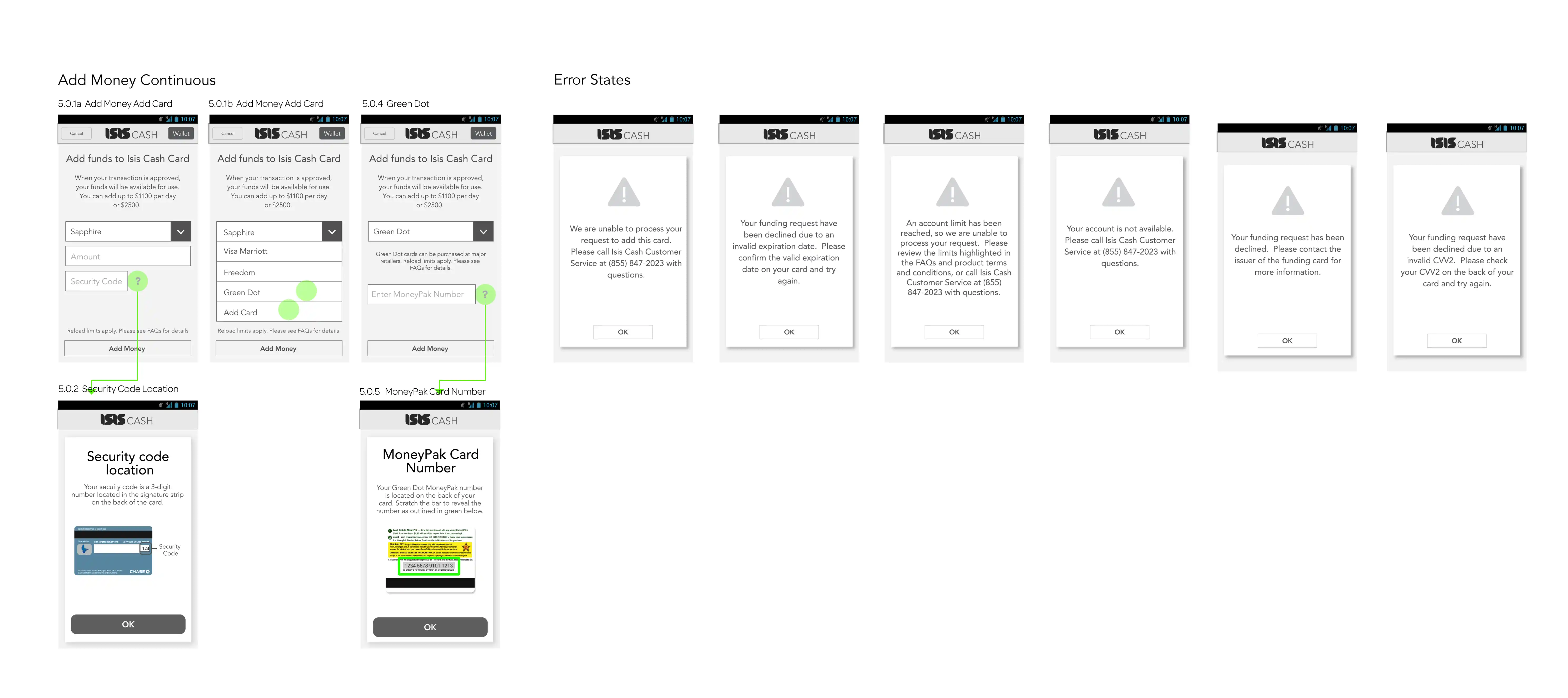
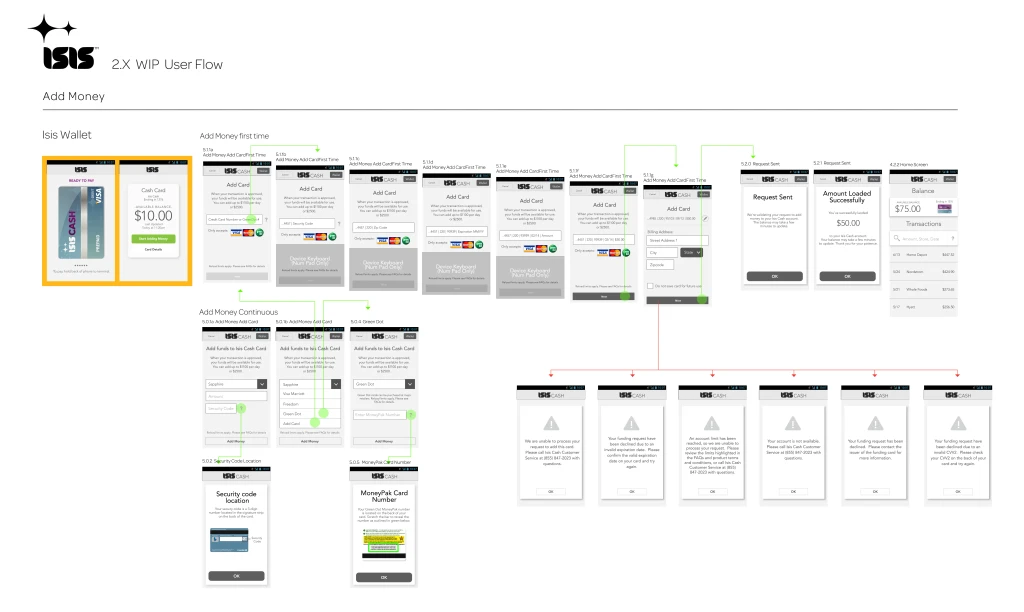
My focus was on designing the Add Money flow, guiding users through loading funds onto their virtual card. It was a small piece of the experience, especially in building trust and clarity around digital payments at a time when mobile wallets were still new.

Although the product never fully launched—SoftCard was eventually acquired by Google—the work offered a unique window into early mobile payment systems and cross-industry collaboration.

While at Chase, I worked on SoftCard, a mobile payment app that was part of a joint venture between major U.S. carriers and banks, including Chase. The platform was built around NFC chips embedded in smartphones, allowing users to store their payment cards and make tap-to-pay transactions directly from their devices—early groundwork for what we now know as Google Pay.

My focus was on designing the Add Money flow, guiding users through loading funds onto their virtual card. It was a small piece of the experience, especially in building trust and clarity around digital payments at a time when mobile wallets were still new.

Although the product never fully launched—SoftCard was eventually acquired by Google—the work offered a unique window into early mobile payment systems and cross-industry collaboration.

While at Chase, I worked on SoftCard, a mobile payment app that was part of a joint venture between major U.S. carriers and banks, including Chase. The platform was built around NFC chips embedded in smartphones, allowing users to store their payment cards and make tap-to-pay transactions directly from their devices—early groundwork for what we now know as Google Pay.

My focus was on designing the Add Money flow, guiding users through loading funds onto their virtual card. It was a small piece of the experience, especially in building trust and clarity around digital payments at a time when mobile wallets were still new.

Although the product never fully launched—SoftCard was eventually acquired by Google—the work offered a unique window into early mobile payment systems and cross-industry collaboration.

Softcard (Add Money )
Persona

Herelabs

Herelabs

Herelabs

While job hunting in San Francisco, I was invited to complete a design exercise for a startup focused on building an automatic journaling app—something that could passively capture your day and help you reflect on it later.

I explored a few early visual directions for this short, speculative project.
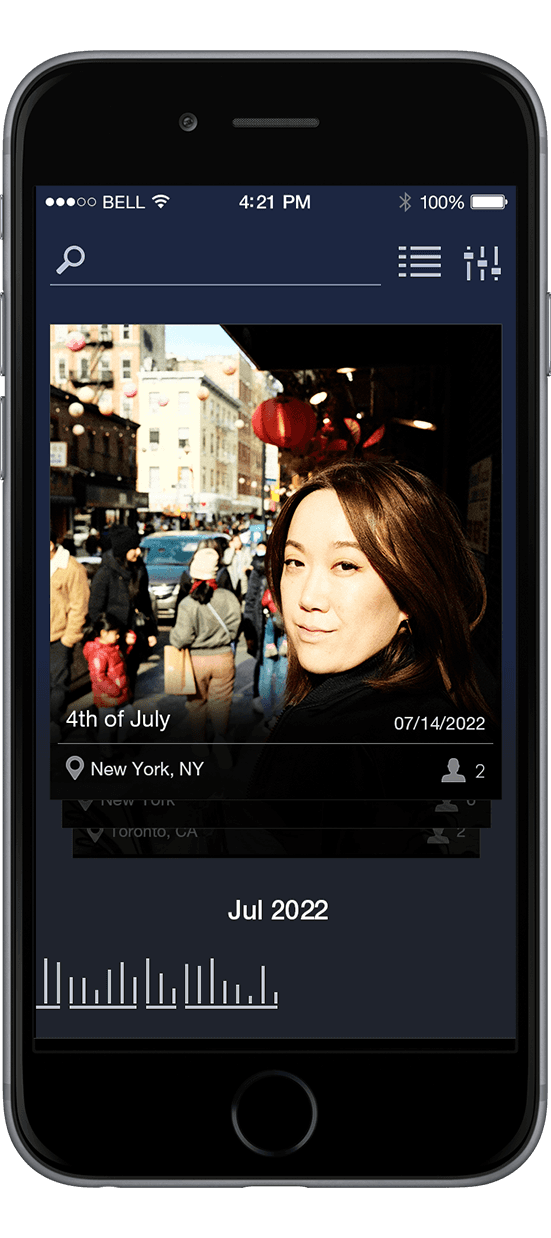
While job hunting in San Francisco, I was invited to complete a design exercise for a startup focused on building an automatic journaling app—something that could passively capture your day and help you reflect on it later.

I explored a few early visual directions for this short, speculative project.

While job hunting in San Francisco, I was invited to complete a design exercise for a startup focused on building an automatic journaling app—something that could passively capture your day and help you reflect on it later.

I explored a few early visual directions for this short, speculative project.

Tapjoy

Tapjoy

Tapjoy

At Tapjoy, I worked on early design concepts for a social profile feature aimed at adding a more personal, community-driven layer to the platform. The idea was to give users a space to track their activity, earn badges, and connect with others.

While the feature never made it past concept phase, it was an interesting exploration into how gamified engagement and identity could play a role in Tapjoy’s ecosystem.
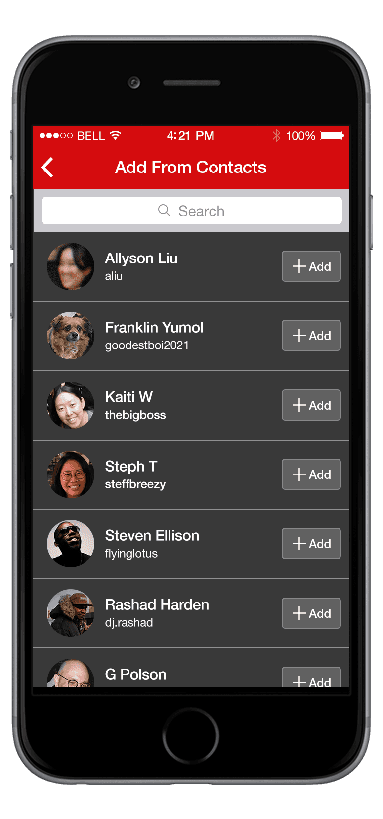
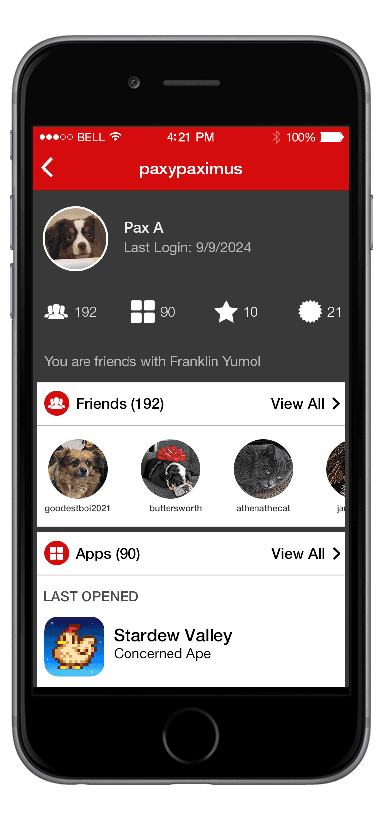
At Tapjoy, I worked on early design concepts for a social profile feature aimed at adding a more personal, community-driven layer to the platform. The idea was to give users a space to track their activity, earn badges, and connect with others.

While the feature never made it past concept phase, it was an interesting exploration into how gamified engagement and identity could play a role in Tapjoy’s ecosystem.
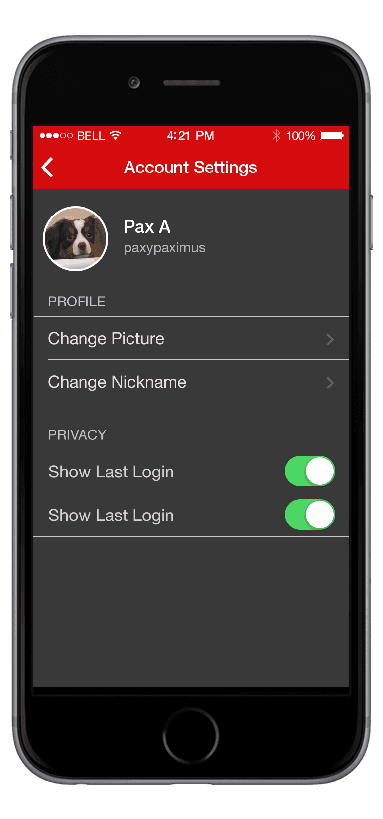
At Tapjoy, I worked on early design concepts for a social profile feature aimed at adding a more personal, community-driven layer to the platform. The idea was to give users a space to track their activity, earn badges, and connect with others.

While the feature never made it past concept phase, it was an interesting exploration into how gamified engagement and identity could play a role in Tapjoy’s ecosystem.